Gevrey-Chambertin is one of the most densely populated villages in the Burgundy vineyard, with a concentration of appellations that few municipalities can match in France. The commune is home to plots classified as village, premier cru, and grand cru, the latter numbering nine according to specialized sources. A stay here implies understanding what distinguishes this territory, its recent constraints, and how the landscape itself tells the story of wine.
Burgundy Climats and the Wine Landscape in Gevrey-Chambertin
Since 2015, the Climats of the Burgundy vineyard have been listed as a UNESCO World Heritage site. The term “climat” here refers to a precisely defined vineyard plot, identified by a proper name and specific geological characteristics, exposure, and microclimate. This classification changes the nature of a visit to Gevrey-Chambertin.
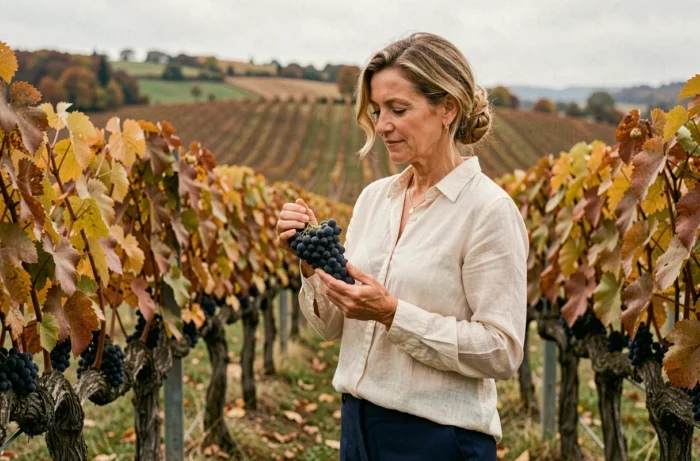
Walking between the rows of vines while reading the names of the lieux-dits (Lavaux Saint-Jacques, Clos Saint-Jacques, Mazis) is akin to traversing a living cadastre where each plot produces a wine with a distinct profile. Accommodations located in the heart of the village allow for walking to these hills, which is one of the real attractions of staying here rather than in a neighboring town.
To organize a stay rooted in this terroir, local guesthouses offer direct access to this wine geography. An address like mamaisonagevreychambertin.com illustrates this type of accommodation designed for walking through the surrounding plots.
Nine Grand Crus in One Commune: What This Means for a Stay
Most visitors arrive in Gevrey-Chambertin knowing the name “Chambertin,” made famous by its historical association with Napoleon. The commune is not limited to this single appellation. Nine grand crus share the hillside, each on a plot with precise boundaries: Chambertin, Chambertin-Clos de Bèze, Charmes-Chambertin, Mazoyères-Chambertin, Griotte-Chambertin, Chapelle-Chambertin, Latricières-Chambertin, Mazis-Chambertin, and Ruchottes-Chambertin.
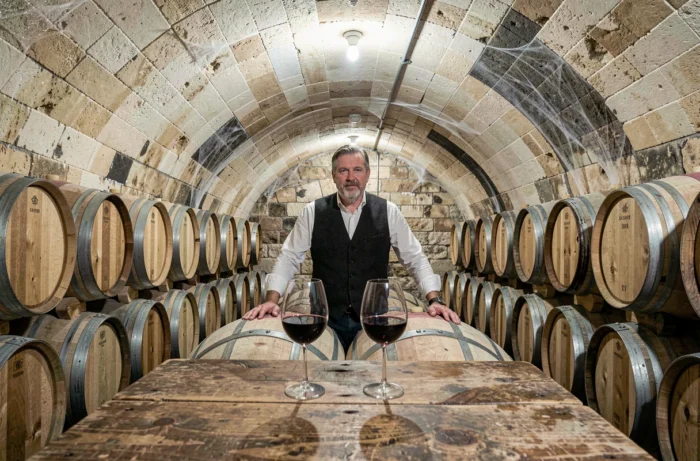
This diversity makes tastings on-site much more informative than a simple visit to a cellar. Comparing a Charmes-Chambertin (often softer, more accessible when young) with a Mazis-Chambertin (known for being more structured) allows one to concretely grasp what the term “climat” means in Burgundy. Each plot expresses a different soil and exposure, even just a few hundred meters apart.
For a discovery-oriented stay, planning at least two half-days of comparative tasting at distinct wineries provides an understanding that tourist guides do not convey.
Harvests and Climate Variability: When to Visit Gevrey-Chambertin
The choice of when to stay is not trivial. Harvests, long concentrated in the second half of September, have become less predictable. An article from October 2026, based on forecasts from the French Ministry of Agriculture, reported an expected decline in production in Burgundy-Beaujolais compared to the five-year average, linked to summer heatwaves and reduced cultivated areas.
This context has direct consequences on the visitor experience. In hot years, harvests can start as early as the end of August, shifting the activity in the villages. In difficult years, the atmosphere is more tense among winemakers, the volumes harvested are lower, and some estates limit visits during the harvest period.
Preferred Periods Based on Stay Objectives
- From May to June, the vineyard is in full vegetation, long days allow for exploring the hills without the summer crowds, and most estates are open for visits by appointment.
- September remains the most vibrant period, but it requires checking in advance the harvest dates with local accommodations, as access to the plots may be restricted.
- The late season, in October and November, offers landscapes of vines in autumn colors and often lower accommodation rates, with the possibility of tasting the first juices in the process of vinification at some producers.
Built Heritage and Village Life Beyond the Vineyard
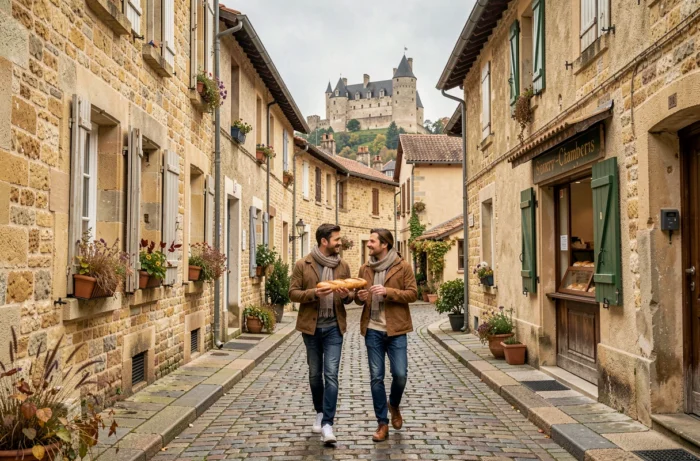
Gevrey-Chambertin is not a museum village. It is a populated commune, with its shops, its 10th-century castle (one of the oldest in Burgundy), and its streets where Burgundy stone architecture prevails. The built heritage extends the wine discovery without replacing it.
The castle of Gevrey-Chambertin, with its vaulted cellars, regularly hosts tastings and wine-related events. The winemaker houses lining the main street testify to a work organization in viticulture that dates back several centuries: presses on the ground floor, living quarters above, cellar below.
The village is also located on the Grand Crus route, a marked itinerary that connects Dijon to Santenay and crosses the most prestigious appellations of the Côte de Nuits and Côte de Beaune. Staying in Gevrey-Chambertin places the visitor at the heart of this axis, with the possibility to easily reach Morey-Saint-Denis, Chambolle-Musigny, or Vougeot in just a few minutes.
What Distinguishes a Village Accommodation from a Hotel on the Outskirts
Staying in the village itself, rather than in an establishment located on the edge of a main road, changes the perception of the stay. Walking access to the classified plots, proximity to the cellars, and the daily life of the village are part of the experience. An authentic stay in Gevrey-Chambertin is measured by the distance between the bed and the vine, not by the number of stars displayed.
Guesthouses set up in former winemaker buildings often offer an atmosphere that hotel chains cannot replicate: exposed stone walls, inner courtyards, and sometimes a shared cellar where the owner presents their own cuvées or those of neighboring producers.
The density of appellations, the clarity of the wine landscape, and the listing of the Climats as a world heritage site make Gevrey-Chambertin a unique case in the French vineyard. The village does not sell an image: it offers a territory to decipher, plot by plot, glass by glass.