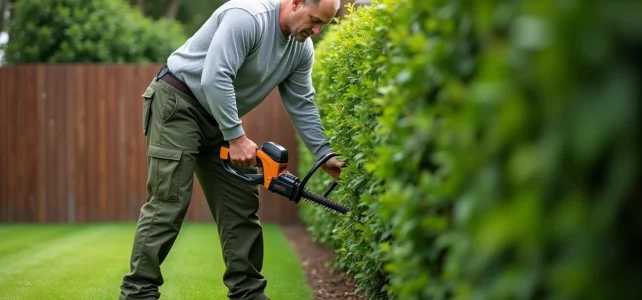
The market for electric hedge trimmers is currently divided between corded models and battery-operated models, with differences in price, weight, and autonomy that make the choice less obvious than it seems. European discussions around the repairability of powered garden tools and the growing promotion of less demanding hedges are also changing the selection criteria. Here are the technical points that really matter when choosing an electric hedge trimmer suitable for your garden.
Vibrations and balance of the hedge trimmer: the criterion that product sheets ignore
Buying guides detail the power, blade length, and battery type. They almost systematically overlook a problem reported by many users on specialized forums: fatigue related to vibrations and the imbalance of the machine during prolonged sessions.
You may also like : How to Choose the Ideal Senior Residence in France: Tips and Practical Advice
Testimonials on communities like r/GardeningUK describe wrist and shoulder pain after about thirty minutes of use, even on lightweight models. Weight alone is not enough to guarantee comfort. A poorly placed center of gravity, too far from the main handle, turns a device weighing a few kilograms into a burdensome load as soon as you work at height or with outstretched arms.
Before buying, try to handle the hedge trimmer in-store if possible. Simulate a lateral cut and a high cut for a minute. If tension in the forearm is already noticeable, the model will not be suitable for a substantial hedge line. The comparisons available on taille-haie-electrique.com allow for cross-referencing user feedback on this specific point of balance.
You may also like : How to Choose the Ideal Coach to Achieve Your Personal and Professional Goals

Blade length and tooth spacing: adapting the tool to the hedge
The blade length directly affects the working speed. A short blade is suitable for boxwood and low borders, while a longer blade speeds up the trimming of straight hedges like thuja or laurel. However, a long blade on a narrow hedge complicates cut control and can damage the vegetation due to lack of precision.
The spacing of the teeth determines the maximum diameter of branches that the hedge trimmer can cut cleanly. A reduced spacing provides a clean cut on fine twigs and dense foliage. A wider spacing allows for handling semi-woody branches without jamming the blade, but results in a less tidy finish on tender shoots.
Two common situations, two different logics
- Boxwood, privet, or small ornamental shrub hedge: prefer a short blade with tight tooth spacing. Precision takes precedence over speed, and the small diameter of the twigs does not require much power from the motor.
- Wild hedge, palm laurel, or mixed hedge with semi-woody branches: opt for a medium-length blade and a more generous tooth spacing. This will help avoid frequent jams that strain the motor and prematurely wear the blade.
- Tall or wide hedge requiring extension work: a pole hedge trimmer with an adjustable blade becomes relevant, provided you accept a higher overall weight that exacerbates the fatigue issues mentioned earlier.
Corded or battery: a choice that depends on the hedge length
The corded electric hedge trimmer remains the lightest and least expensive to purchase. Its power, generally between 400 and 800 W according to manufacturer sources, is constant as long as the cable is plugged in. The cord limits mobility but guarantees unlimited autonomy, making it suitable for small to medium-sized gardens with accessible outdoor outlets.
The battery-operated model offers total freedom of movement. Field feedback varies on this point: some users report sufficient autonomy for trimming a substantial length, while others notice a significant drop in power at the end of the charge, especially on thick branches. The battery capacity (measured in amp-hours) and system voltage directly influence the effective cutting duration.
Total cost of use over several seasons
The purchase price does not reflect the actual cost. A battery-operated hedge trimmer sometimes requires the purchase of an additional battery to cover a complete session, which increases the bill. In contrast, a corded model consumes little electricity and requires no consumables other than regular blade maintenance. The choice between corded or battery is primarily a trade-off between movement comfort and long-term budget.
Repairability and lifespan of the electric hedge trimmer
The European Commission has been working for several years on extending eco-design rules to powered garden tools, as part of the “Sustainable Products Initiative” legislative package. Electric hedge trimmers are among the product categories targeted by future requirements for repairability and availability of spare parts.
For consumers, this means it’s better to check at the time of purchase whether the manufacturer offers an accessible repair network and spare parts (blades, gears, motor brushes). A hedge trimmer whose blade can be replaced or sharpened by a local professional will last several more seasons than a model with a non-removable, crimped blade.
Regular maintenance of the blade
After each use, clean the blade with a cloth to remove sap, then apply a suitable lubricant. A dirty blade strains the motor and accelerates tooth wear. This operation takes a few minutes and significantly extends the lifespan of the device. Also, regularly check the tightness of the blade screws, especially after cutting sessions on semi-woody branches that generate more vibrations.
Ultimately, the choice of an electric hedge trimmer hinges on three parameters that technical sheets do not highlight: the balance of the machine in real conditions, the suitability of the blade for the type of vegetation, and the ability to have the tool repaired rather than replaced. Testing in hand remains the best filter before any purchase.