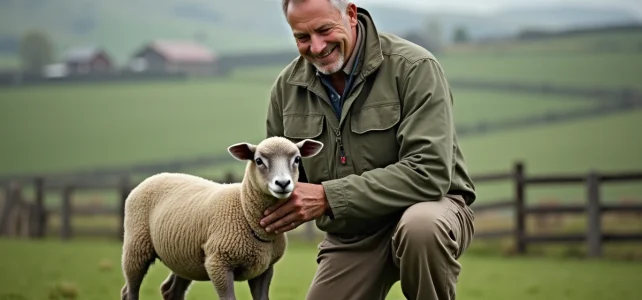
In Great Britain, breeders have selected sheep that no longer need shearing. The Exlana breed is distinguished by this rare genetic feature: its fleece falls off naturally each year. This breeding choice aims to reduce costs and the workload associated with herd maintenance.
Driven by criteria of hardiness and disease resistance, the Exlana population has rapidly developed. This breeding model challenges certain traditional standards and generates interest in several European countries committed to agricultural innovation.
The Origins of the Exlana Sheep: A Recent and Innovative Story
The Exlana sheep is not just a simple heir to the pastoral traditions of the past. It is part of the long lineage of domestic sheep, descendants of the mouflon, whose domestication transformed human societies between 9000 and 7000 BC. But the Exlana refuses to be confined to the mold of ancient breeds. Forget the Spanish merino with its precious wool or the French Charollais bred for meat: the Exlana is born from a modern project designed to meet the current realities of farming. Here, the goal is not to perpetuate a tradition, but to simplify herd management and limit shearing, which has become a burden where it was once a wealth.
Behind this breed lies a desire for efficiency and progress. The breeders, inspired by meticulously chosen crossbreeding, did not aim for aesthetics: they focused on hardiness, adaptability, and resistance. It is no coincidence that this approach resembles the work done on other breeds like Texel, Suffolk, or Lacaune. To learn everything about the Exlana sheep and grasp the extent of this evolution, one must closely examine this blend of history, targeted selection, and adaptation to today’s agriculture.
What Really Distinguishes the Exlana from Other Sheep Breeds?
The Exlana stands out among sheep. While most breeds have specialized in wool, meat, or milk, the Exlana shakes things up with its versatility and a rare ability to adapt to the needs of modern breeders. Instead of requiring annual shearing, as traditional practices dictate, the Exlana’s fleece falls off naturally during molting. No need for scissors, no stress: nature does the work.
This trait is not trivial. It significantly lightens the workload and improves animal welfare. Breeders see it as a true liberation, a gain in time, energy, and peace of mind. But the Exlana doesn’t stop there: it also boasts impressive hardiness, tolerates temperature fluctuations, thrives on poor land, and remains resistant to diseases.
Here are the points that concretely characterize the Exlana breed:
- Versatility of use: suitable for meat, maintaining green spaces, or even as a pet
- Practicality for the breeder: no shearing, less care, more simplicity
- Adaptability: resistance, easy management of pastures, low sensitivity to diseases
The selection carried out by Exlana breeders prioritizes a pragmatic approach without compromising product quality. This logic aligns perfectly with the current shift towards extensive systems, pastoralism, or eco-grazing. In the field, breeders note the discipline of the flock, the docility of the animals, their longevity (they easily live up to fifteen years): all advantages that place the Exlana at the heart of the new challenges of sheep farming.
Concrete Advantages for Breeders and Simplified Daily Farming
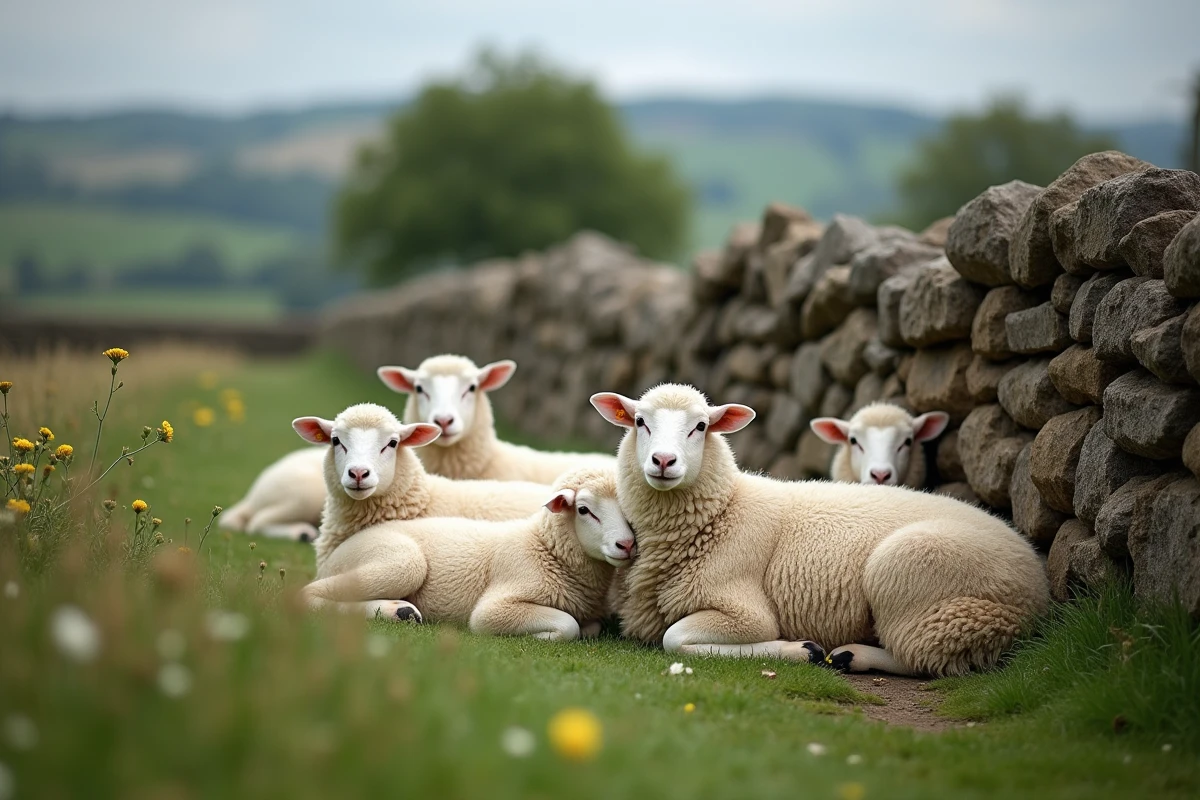
For those looking to simplify their work, the Exlana breed provides a direct answer. Gone is the mandatory shearing: the fleece falls off naturally, which changes everything for herd management. No need to mobilize staff, invest in equipment, or subject the animals to sometimes stressful handling. This self-molting becomes a strong argument at a time when labor is scarce and every minute counts.
But that’s not all: the robust health of the Exlana reduces the frequency of veterinary treatments. Docile, the animals are easily guided, adapt to extensive pastures as well as eco-grazing missions, and require minimal intervention. In the field, feedback is clear: fewer diseases, less stress, fewer constraints.
These advantages translate concretely into daily life:
- No shearing: savings in time, money, and equipment
- Hardiness: capable of thriving on poor land and facing climate variations
- Versatility: valued for meat, landscape maintenance, easily integrated into extensive farming systems
Herd longevity, simple dietary needs (grass, water, minerals), and group cohesion: the Exlana emerges as a coherent solution to face current challenges. Organizations in the sheep sector, whether cooperatives or unions, applaud an evolution that accompanies the transformation of the profession and respect for the animal. Tomorrow, in an agricultural landscape undergoing significant change, let’s bet that the Exlana will continue to surprise and inspire far beyond its original pastures.