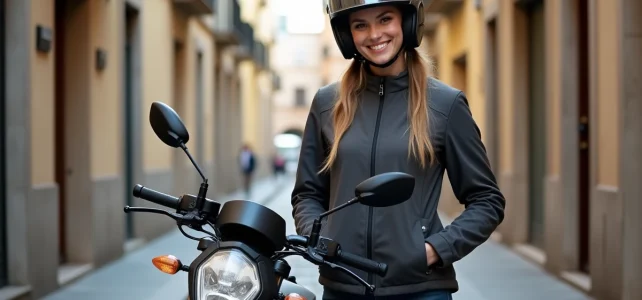
A figure that doesn’t immediately stand out: every year, thousands of European motorists take to the saddle on a 125 cc in Spain, legally, simply because they have held a B license for more than three years. This advantage, surprisingly little known outside the Iberian borders, applies to both Spaniards and visiting tourists.
Since last year, several Spanish regions have revised the rules regarding mandatory insurance and equipment. Checks, especially in popular tourist spots, have become stricter. The result: rental companies and drivers must exercise extra caution to avoid having their stay ruined by a fine.
Read also : Everything You Need to Know About the Calories and Weight of a Chocolate Cream Puff in Pastry
Riding a 125 motorcycle in Spain in 2024: what rules should you know?
Before hitting the Spanish roads on a 125cc, it’s best to understand the local legislation. The regulations are clear: you cannot improvise as a motorcyclist without adhering to the specific conditions of the country. To ride a 125 motorcycle with a license in Spain, you must have held a B license for three years. In Spain, there is no need for additional training as required in France. This specific framework can sometimes confuse foreigners, as this privilege stops abruptly at the border: you can ride within the territory, but not beyond.
The Spanish system operates under a well-established licensing organization, leaving no room for improvisation. An A1 license grants access to 125 cc at 16 years old, an A2 license allows, upon reaching adulthood, to ride motorcycles up to 47 horsepower, while the AM license is aimed at young people aged 15 for 50cc mopeds. As for the A license, it is only issued to drivers over 20 who already have two years of A2 experience.
Further reading : Everything You Need to Know to Succeed in Real Estate Investment and Manage Your Wealth Well
Here are the main rules to remember according to each license for riding a 125 motorcycle in Spain:
- B License with 3 years of experience: access to 125 cc allowed, but exclusively in Spain.
- A1 License: possible from 16 years old.
- A2 License: for motorcycles up to 47 horsepower, from 18 years old.
- A License: all displacements, reserved for drivers over 20 who have already held an A2 for two years.
In case of a check, everything is scrutinized: license compliance, approved helmet, proper gloves. Any flaw results in an automatic penalty. Those who want to travel with peace of mind must therefore check every detail, know the regulations, and monitor the changes imposed by the DGT. Taking to the road on a 125 in Spain means adapting to the local code and leaving nothing to chance.
Tourists and residents: licenses, procedures, and local specifics in Malaga
In Malaga, the flow of scooters and motorcycles mixes tourists, expatriates, and locals, each facing specific rules to be allowed to ride a 125cc motorcycle.
For citizens of the European Union, the requirement is clear on paper: the national license must already allow the driving of a 125 cc in their country of origin. But beware of the pitfall: a French B license accompanied by the 7-hour training does not pass Spanish customs. The Guardia Civil only accepts equivalencies recognized within the territory. This means that the French training certificate carries little weight against the rigor of Spanish checks.
For travelers from outside the EU, there is only one solution: present an international license. This translation is imperative to prevent a motorcycle outing from turning into an ordeal at the first check. Whether in Malaga, Madrid, or Seville, without these official papers, it is impossible to rent or ride a two-wheeler. And for those looking to settle, converting the original license into a Spanish document is necessary; otherwise, fines will be inevitable.
In Malaga, the administrative pressure is constant, especially during the peak tourist season. Every check means a meticulous verification of documents and the identity of the rider. Here, as elsewhere in Spain, the administration tolerates no shortcomings: vigilance and compliance dictate the daily lives of all 125 cc drivers.
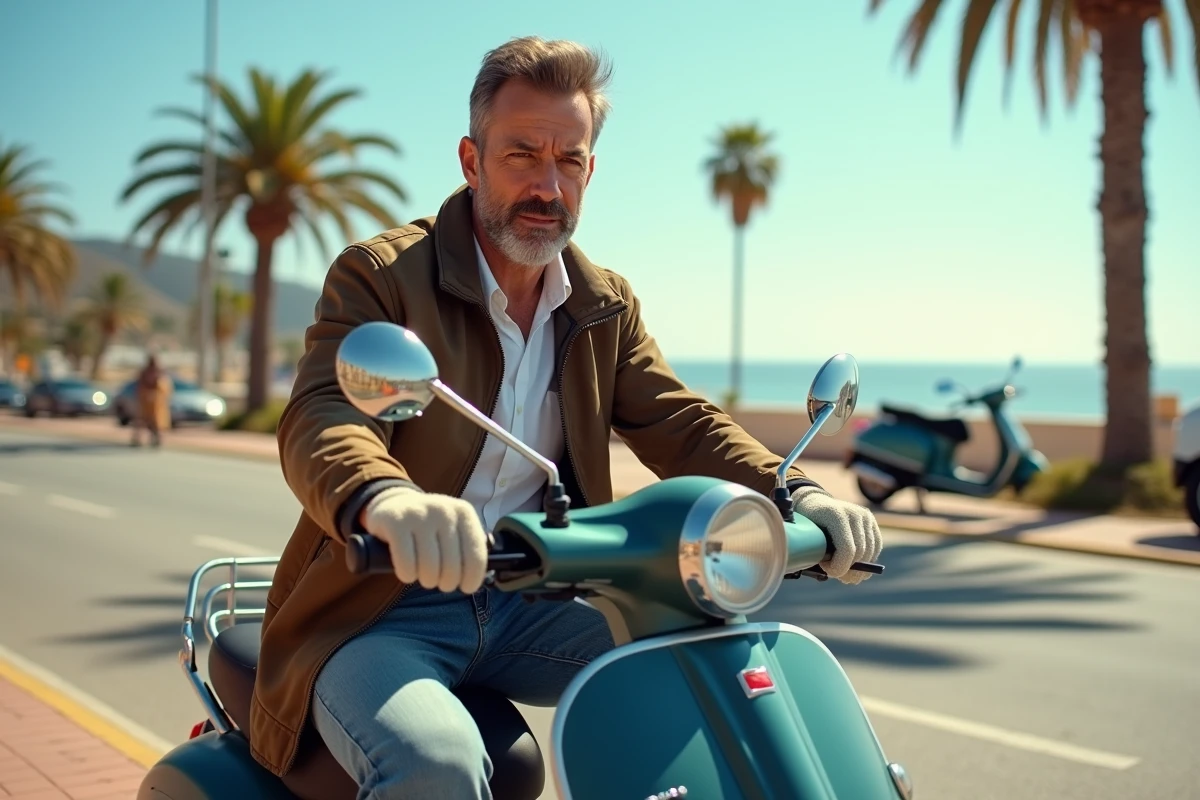
Equipment, safety, and upcoming changes for riding with peace of mind
In Spain, having a license is not everything. Now, police operations extend to equipment and civil liability insurance, mandatory for all motor vehicles, including 125s. Forgetting this proof risks a fine and even having your two-wheeler immobilized on the spot.
The DGT plans to strengthen requirements: approved gloves are now mandatory, and there is a project underway to impose full-face or modular helmets, which would push jet models into the past. This desire is based on a finding: to limit the number of serious injuries in accidents. Evolving within this regulatory landscape means regularly reviewing your equipment, or facing penalties.
Another debate: the famous 7-hour training for B license holders, already required in France, may well arrive in Spain. Authorities would like to harmonize the level of drivers, even if it means tightening access constraints. A sensitive topic: between proponents of prevention and those who fear restricted freedom, the discussion is far from over.
Taking to the road on a 125 in Spain means accepting sometimes strict rules, anticipating every check, and adapting your behavior to any changes in the law. The freedom of two-wheeling, yes, but never without administrative rigor or adherence to safety guidelines. This can turn every trip into a perfectly orchestrated outing… or a hassle for those who take lightness too seriously.